About TMM

TMM is the owner, editor, and principal author at The Minuteman, a competitive shooter, and staff member for Boomershoot. Even in his free time he’s merging his love and knowledge of computers and technology with his love of firearms. Many know his private name and information however due to the current political climate, many are distancing themselves due to the abandonment of Due Process.

SSCC #338–Duval County

Federal prosecutors say Duval County Sheriff’s deputy Ruben Silva took $5,000 in payment and planned to smuggle cocaine in his sheriff’s department vehicle from the Rio Grande Valley north through the Border Patrol inland checkpoint. He was arrested Thursday.

Yup, the “War on Nouns”, it’s nothing but a giant ploy so the government can create it’s own monopoly.  Prohibitions fail, period.  The “War on Drugs” just means that the smugglers who go and work for the state get preferential treatment and can do the inside jobs.

They only reason he’s facing punishment is because the DEA and ATF still have a black eye from fast and furious.  Besides, this isn’t the first time we’ve seen someone doing an inside job like this.

State Sponsored Criminal #338: Ruben Silva

Because you’ve been sworn to enforcing the law, means you can enforce it against others while breaking it yourself to make some money on the side.

via Bob S.

Who’s In Your Thoughts Today…

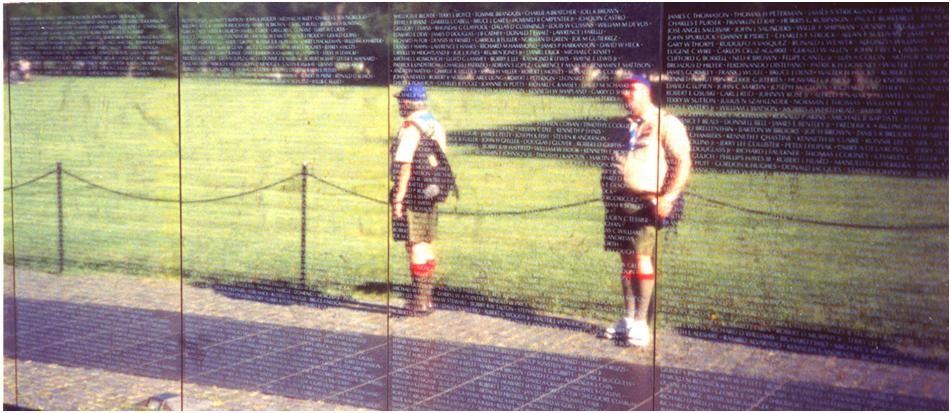
This pretty much speaks for itself.

On June 28, 2005, deep behind enemy lines east of Asadabad in the Hindu Kush of Afghanistan, a very committed four-man Navy SEAL team was conducting a reconnaissance mission at the unforgiving altitude of approximately 10,000 feet. The SEALs, Lt. Michael Murphy, Gunner’s Mate 2nd Class (SEAL) Danny Dietz, Sonar Technician 2nd Class (SEAL) Matthew Axelson and Hospital Corpsman 2nd Class (SEAL) Marcus Luttrell had a vital task.  The four SEALs were scouting Ahmad Shah – a terrorist in his mid-30s who grew up in the adjacent mountains just to the south.

Under the assumed name Muhammad Ismail, Shah led a guerrilla group known to locals as the “Mountain Tigers” that had aligned with the Taliban and other militant groups close to the Pakistani border. The SEAL mission was compromised when the team was spotted by local nationals, who presumably reported its presence and location to the Taliban.

A fierce firefight erupted between the four SEALs and a much larger enemy force of more than 50 anti-coalition militia.  The enemy had the SEALs outnumbered.  They also had terrain advantage.  They launched a well-organized, three-sided attack on the SEALs.  The firefight continued relentlessly as the overwhelming militia forced the team deeper into a ravine. 

Trying to reach safety, the four men, now each wounded, began bounding down the mountain’s steep sides, making leaps of 20 to 30 feet. Approximately 45 minutes into the fight, pinned down by overwhelming forces, Dietz, the communications petty officer, sought open air to place a distress call back to the base. But before he could, he was shot in the hand, the blast shattering his thumb.
Despite the intensity of the firefight and suffering grave gunshot wounds himself, Murphy is credited with risking his own life to save the lives of his teammates. Murphy, intent on making contact with headquarters, but realizing this would be impossible in the extreme terrain where they were fighting, unhesitatingly and with complete disregard for his own life moved into the open, where he could gain a better position to transmit a call to get help for his men.

Moving away from the protective mountain rocks, he knowingly exposed himself to increased enemy gunfire.  This deliberate and heroic act deprived him of cover and made him a target for the enemy.  While continuing to be fired upon, Murphy made contact with the SOF Quick Reaction Force at Bagram Air Base and requested assistance. He calmly provided his unit’s location and the size of the enemy force while requesting immediate support for his team. At one point he was shot in the back causing him to drop the transmitter. Murphy picked it back up, completed the call and continued firing at the enemy who was closing in.  Severely wounded, Lt. Murphy returned to his cover position with his men and continued the battle.

An MH-47 Chinook helicopter, with eight additional SEALs and eight Army Night Stalkers aboard, was sent is as part of an extraction mission to pull out the four embattled SEALs.  The MH-47 was escorted by heavily-armored, Army attack helicopters. Entering a hot combat zone, attack helicopters are used initially to neutralize the enemy and make it safer for the lightly-armored, personnel-transport helicopter to insert.

The heavy weight of the attack helicopters slowed the formation’s advance prompting the MH-47 to outrun their armored escort.  They knew the tremendous risk going into an active enemy area in daylight, without their attack support, and without the cover of night.  Risk would, of course, be minimized if they put the helicopter down in a safe zone. But knowing that their warrior brothers were shot, surrounded and severely wounded, the rescue team opted to directly enter the oncoming battle in hopes of landing on brutally hazardous terrain.

As the Chinook raced to the battle, a rocket-propelled grenade struck the helicopter, killing all 16 men aboard. 
On the ground and nearly out of ammunition, the four SEALs, Murphy, Luttrell, Dietz and Axelson, continued the fight.  By the end of the two-hour gunfight that careened through the hills and over cliffs, Murphy, Axelson and Dietz had been killed. An estimated 35 Taliban were also dead.

The fourth SEAL, Luttrell, was blasted over a ridge by a rocket propelled grenade and was knocked unconscious. Regaining consciousness some time later, Luttrell managed to escape – badly injured – and slowly crawl away down the side of a cliff. Dehydrated, with a bullet wound to one leg, shrapnel embedded in both legs, three vertebrae cracked; the situation for Luttrell was grim. Rescue helicopters were sent in, but he was too weak and injured to make contact. Traveling seven miles on foot he evaded the enemy for nearly a day. Gratefully, local nationals came to his aid, carrying him to a nearby village where they kept him for three days. The Taliban came to the village several times demanding that Luttrell be turned over to them. The villagers refused.  One of the villagers made his way to a Marine outpost with a note from Luttrell, and U.S. forces launched a massive operation that rescued him from enemy territory on July 2.

By his undaunted courage, intrepid fighting spirit and inspirational devotion to his men in the face of certain death, Lt. Murphy was able to relay the position of his unit, an act that ultimately led to the rescue of Luttrell and the recovery of the remains of the three who were killed in the battle.

This was the worst single-day U.S. Forces death toll since Operation Enduring Freedom began nearly six years ago.  It was the single largest loss of life for Naval Special Warfare since World War II.

The Naval Special Warfare (NSW) community will forever remember June 28, 2005 and the heroic efforts and sacrifices of our special operators.  We hold with reverence the ultimate sacrifice that they made while engaged in that fierce fire fight on the front lines of the global war on terrorism (GWOT).

-NSW-

OPERATION REDWING KIAs- On June 28, 2005, three of four SEALS on the ground (Murphy, Dietz, Axelson) were  killed during combat operations in support of Operation Red Wing.  ON the same say, a QRF of eight Navy SEALs and 8 Army Night Stalkers were also killed when the MH-47 helicopter that they were aboard was shot down by enemy fire in the vicinity of Asadabad, Afghanistan in Kumar Province.

Navy SEALs
SEAL Delivery Vehicle Team 1, Pearl Harbor, Hawaii.

  1. Lt. (SEAL) Michael P. Murphy, 29, of Patchogue, N.Y. 
  2. Sonar Technician (Surface) 2nd Class (SEAL) Matthew G. Axelson, 29, of Cupertino, Calif.
  3. Machinist Mate 2nd Class (SEAL) Eric S. Patton, 22, of Boulder City, Nev.
  4. Senior Chief Information Systems Technician (SEAL) Daniel R. Healy, 36, of Exeter, N.H. 
  5. Quartermaster 2nd Class (SEAL) James Suh, 28, of Deerfield Beach, Fla.

SEAL Delivery Vehicle Team 2, Virginia Beach, Va.

  1. Gunner’s Mate 2nd Class (SEAL) Danny P. Dietz, 25, of Littleton, Colo.

SEAL Team 10, Virginia Beach, Va.

  1. Chief Fire Controlman (SEAL) Jacques J. Fontan, 36, of New Orleans, La. 
  2. Lt. Cmdr. (SEAL) Erik S. Kristensen, 33, of San Diego, Calif. 
  3. Electronics Technician 1st Class (SEAL) Jeffery A. Lucas, 33, of Corbett, Ore. 
  4. Lt. (SEAL) Michael M. McGreevy Jr., 30, of Portville, N.Y. 
  5. Hospital Corpsman 1st Class (SEAL) Jeffrey S. Taylor, 30, of Midway, W.Va.

Army Night Stalkers
3rd Battalion, 160th Special Operations Aviation Regiment (Airborne), Hunter Army Air Field, Ga.

  1. Staff Sgt. Shamus O. Goare, 29, of Danville, Ohio. 
  2. Chief Warrant Officer Corey J. Goodnature, 35, of Clarks Grove, Minn. 
  3. Sgt. Kip A. Jacoby, 21, of Pompano Beach, Fla. 
  4. Sgt. 1st Class Marcus V. Muralles, 33, of Shelbyville, Ind. 
  5. Maj. Stephen C. Reich, 34, of Washington Depot, Conn. 
  6. Sgt. 1st Class Michael L. Russell, 31, of Stafford, Va. 
  7. Chief Warrant Officer Chris J. Scherkenbach, 40, of Jacksonville, Fla.

HQ Company, 160th Special Operations Aviation Regiment (Airborne), Fort Campbell, Ky.

  1. Master Sgt. James W. Ponder III, 36, of Franklin, Tenn.

            U.S. Navy SEALs are the maritime component of U.S. Special Operations Command and the Navy’s special operations force.  The SEALs take their name from the elements in which they operate – sea, air and land. Experts in special reconnaissance and direct action missions – SEALs continue to successfully execute DoD’s most important warfighting missions in the GWOT.

Thank you to LT. Murphy, his team, all those who answered the call, and those like them who went before.  Men that will willingly ran towards the sound of the gunfire, not so much because we asked them to, but because they knew their brothers need help. 

Stories like this bear remembrance because it speaks volumes of the humanity and brotherhood of those who serve.  There are countless other names to remember, each with their own story.

Also, if you haven’t read it, I suggest reading Lone Survivor

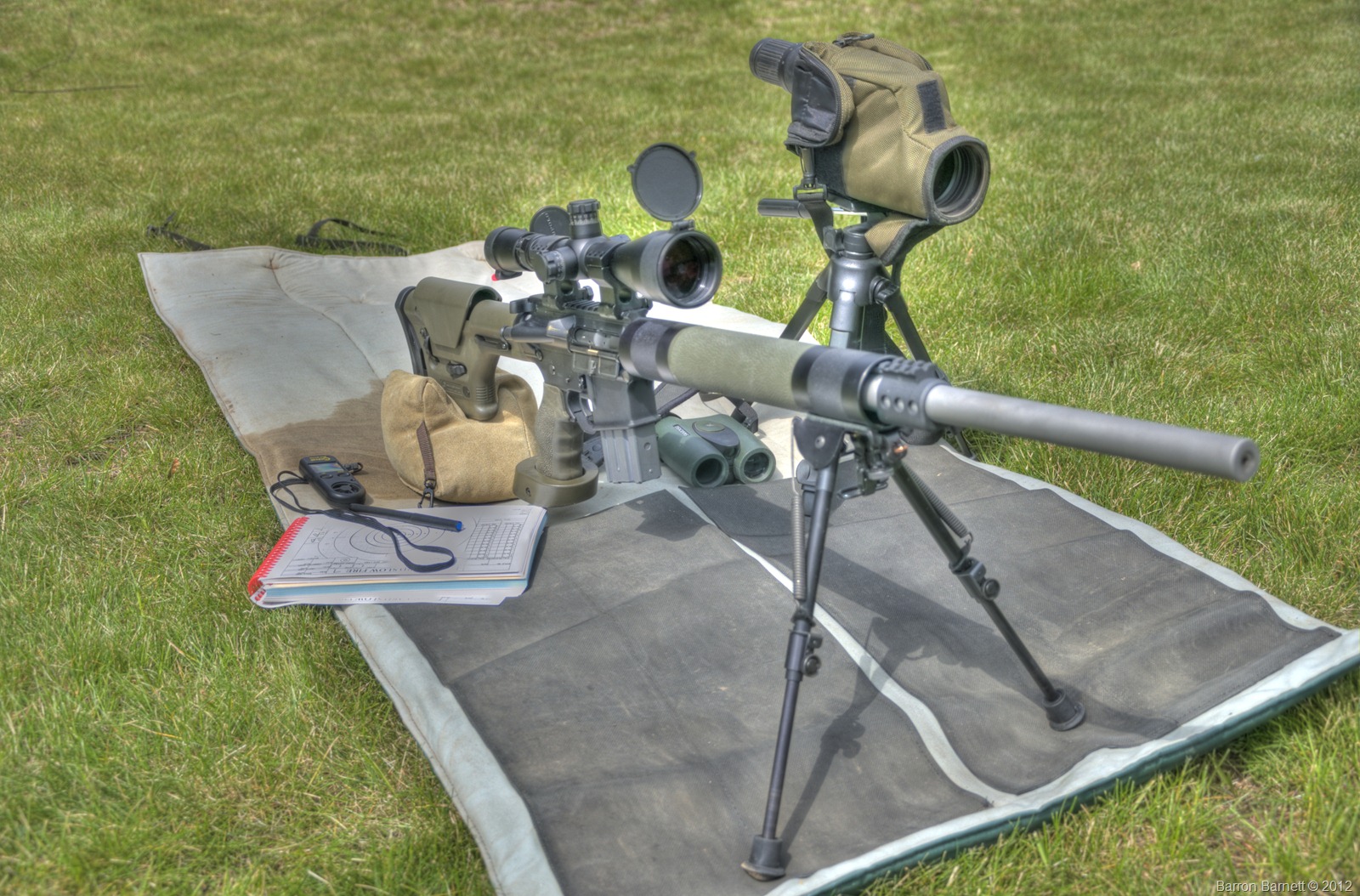
So… Here’s my Varmint Rifle

I have a friend who’s currently building himself a varmint rifle and I told him I would take some pictures of mine and do a quick run down.

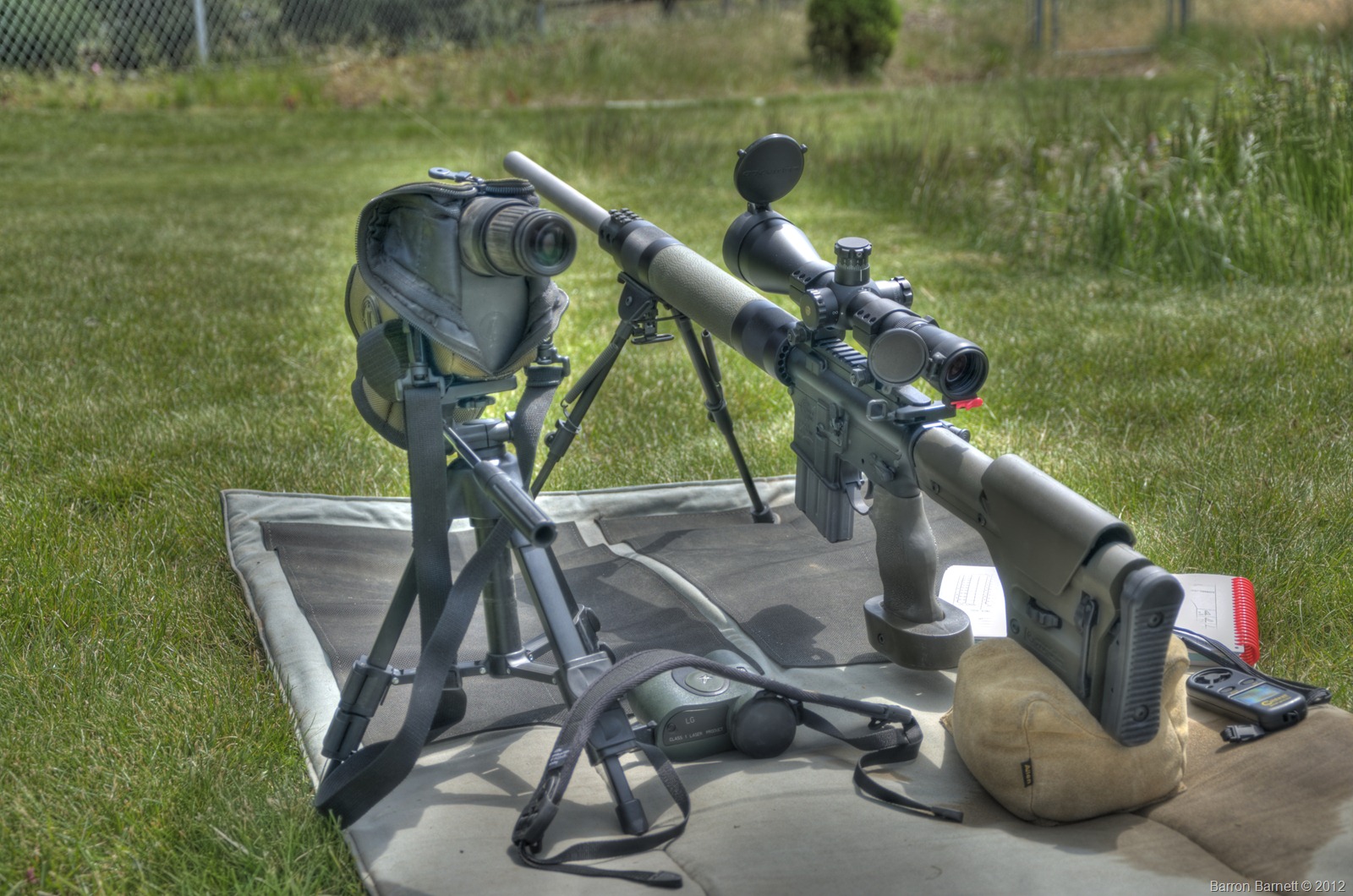
Varmint1

My varmint rifle, like all of my ARs are Rock River Arms.  I was apprehensive of getting an AR until I handled a Rock River.  I’m not too fond of guns that rattle when I handle them or shake them. A friend let me use his Rock River and there wasn’t any slop or slack in the rifle.  I said I’d give them a try.  Just prior to ordering this one I was seeing numerous failures of a few other brands while at the range.  I wasn’t exactly the most thrilled with the idea of finally getting a “Mattie Mattel That’s Swell” rifle.

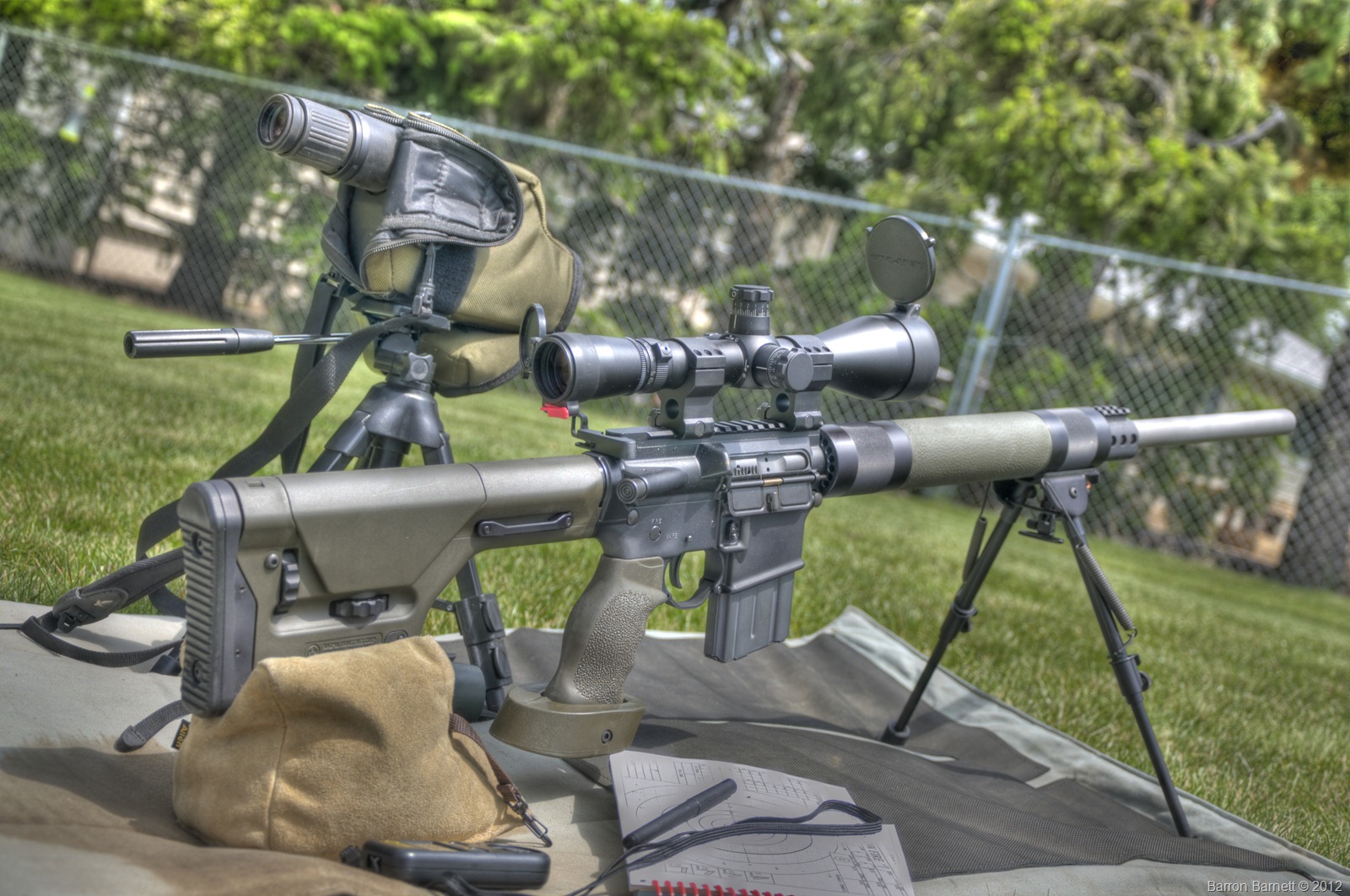
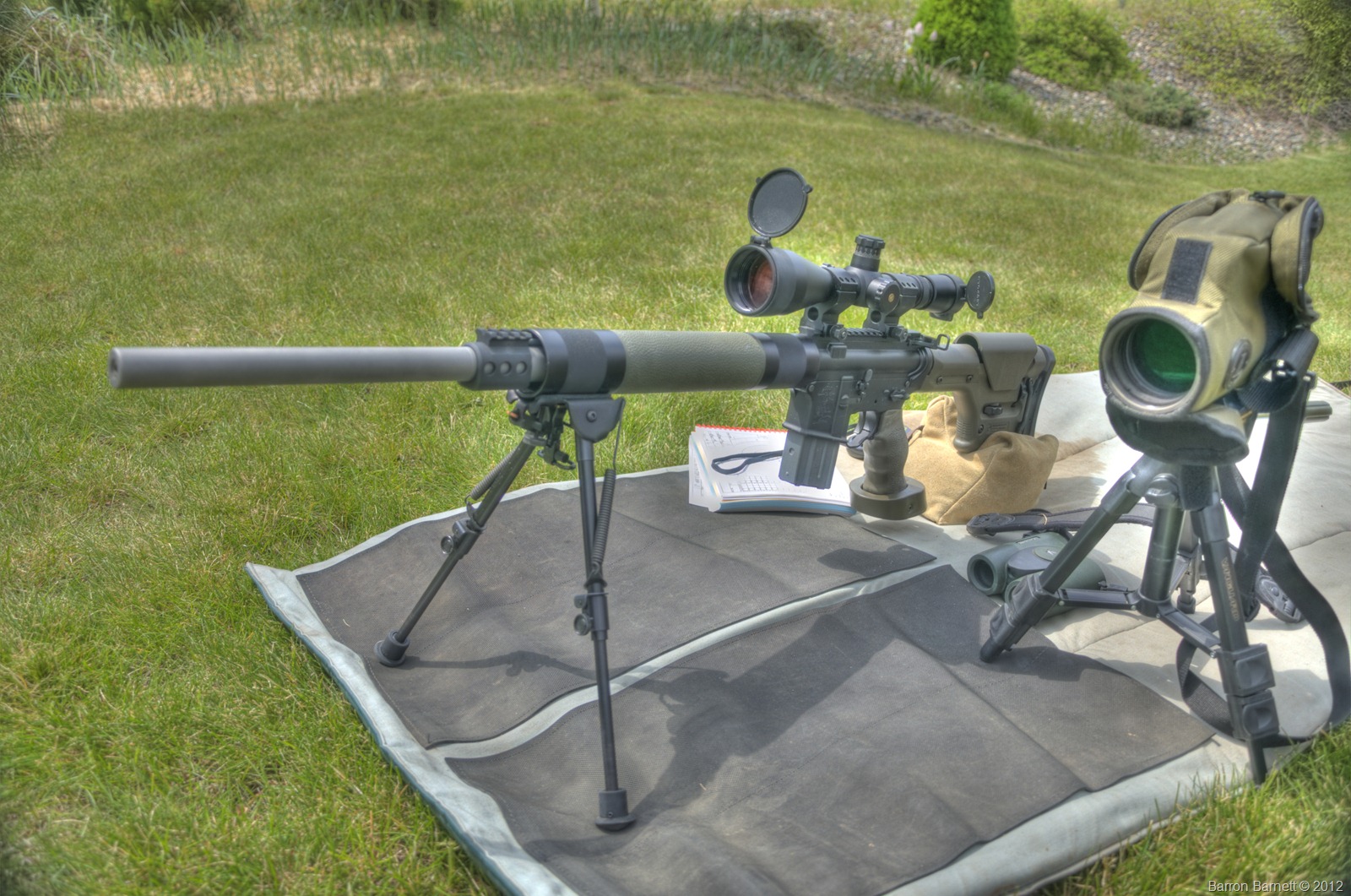
Varmint2

I’m pleased to say though this rifle has NOT disappointed me though.  While I don’t burn nearly the number of rounds through it as I would the rifles I use for cleanup at Boomershoot, I used this as my primary rifle after leaving the far hill.  Shooting my .308 has almost gotten routine.  So I wanted to do something different.  So I moved to the 400 yard berm and started poaching.

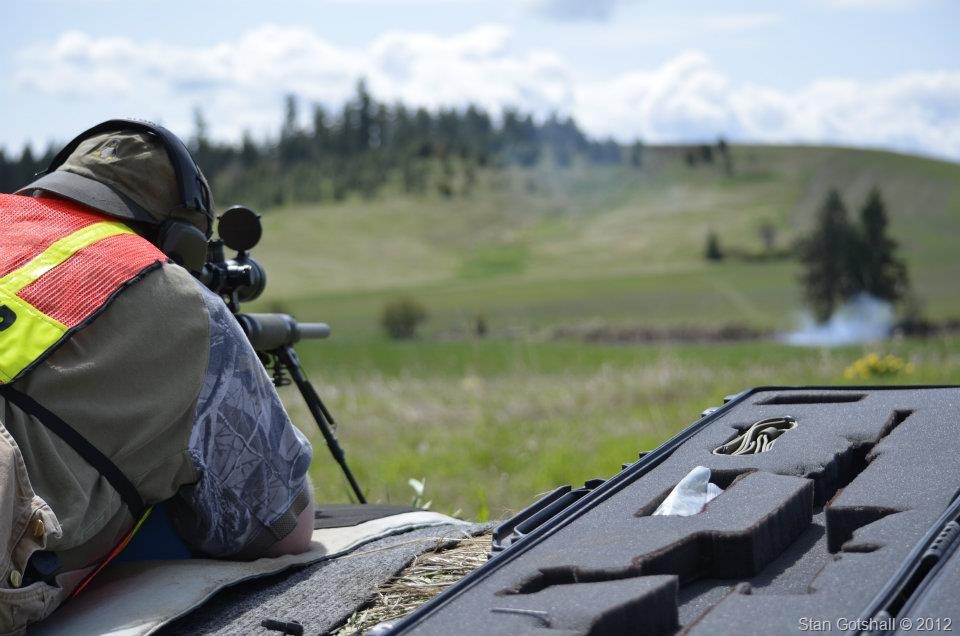
Varmint_Boomershoot

For those who have never been to Boomershoot, poaching is where you take someone else’s target.  Now no one really owns a target, but usually people won’t go for targets that other’s are shooting at.  Just a mild courtesy, he’s expending ammo for it, let him have it.  Then there’s a group of us, many of whom I associate with, where the normal targets aren’t hard enough.  Where we have all reached the conclusion that the hill is fair game, shoot them as you see them.  For you see, when someone else is shooting at the same target you are, there’s now a time constraint.  You can go even further and start reading how close the person is to getting the boomer.  You eventually are able to tell, “That’s going to be gone in the next two shots.”

So why would I use a rifle like this to poach I hear you ask.  It’s quite simple really, lower recoil means if I’m in a proper position I can self spot.  Semi-auto means I can self spot, adjust, and immediately shoot again with a correction if I screw up, or I have moved far from my zero.  For instance if I shift from the left of the berm to the right of the berm my wind will shift slightly but my range will change by a about 10-15 yards.  More than enough to affect the point of impact when shooting at a 3 inch box.

So what exactly is in and on that rifle that allows that to happen?

Both the lower and upper are manufactured by Rock River Arms as I noted above.  So lets start with the lower.

The lower has the following:

  • Rock River Arms National Match Two stage trigger. 
  • The ERGO Tactical Deluxe Grip
  • Magpul PRS Stock

The Upper is even simpler:

  • A4 Upper
  • 24” Bull Barreled varmint barrel with a 1 in 8” twist.
  • Wylde chamber for both 5.56 and .223.
  • Hogue Aluminum Free Float Tube in Rifle Length.
  • A Leupold Mark IV 4.5x-14x Mil-Dot scope
  • Matching Leupold Rings

Notes.  Get decent glass and rings if you plan on building your own rifle.  I find nothing funnier than when someone drops a ton of cash on a rifle and then gets a 30 dollar scope and rings.  Then when the rifle can’t shoot they blame the rifle.  Sorry there sparky, my first guess is it’s a split between you and your cheap optics.

For those who do not understand, here’s a quick run down.  I’m not trying to be condescending, but there are a lot of people who don’t understand the basics of optics, much less how they are actually mechanical and why it matters.

Varmint3

You get what you pay for like any tool, and spending upfront is a wise investment when it comes to tools, especially ones that are going to be beat up.  Just because you don’t throw your rifle doesn’t mean they don’t get beat up though.  Each shot causes an impulse shot into the internal mechanism of your optics.  What mechanism I hear you ask, it’s just glass.  Ahh, but it’s adjustable glass.  Those knobs on the top and side cause the glass to shift is image in 1/4 minute of angle increments.  Read that as a single click moves it 1/240th of a degree.  That’s pretty dang small.  Now when you pull the trigger, you have caused a shock impulse to the system.  You need that optic to remain unaffected by that impulse.  For if it does change, you have just altered the zero (point of impact relative to the cross hair) of the weapon.  Just because you make the correction from the last shot doesn’t matter, you have a new error that is unaccounted for.

On top of that you get much better clarity out of better glass, this means a brighter image and better visibility in lower light conditions.  You don’t have to spend an arm and a leg on the scope and rings but you can’t skimp either.

This goes the same for rings.  Get good solid rings, preferably the kind that are split horizontally where the base of the ring that attaches to the rifle is solid.  Lap those puppies to keep excess pressure off the tube.  I also use a thin piece of double sided tape to hold the scope in place and provide extra cushion.  When you put the scope on, use a torque wrench.  Write down the settings and torque everything uniformly.  Use blue Loctite when you attach the tops of the rings to the base.  I torque to about 25 inch pounds at the joint between the rings.  The Loctite will help keep those screws from backing back out.  The base of the rings I torque to 65 in-lbs. using a pre-calibrated torque wrench specifically for my rifles.

Varmint4

First thing I do on taking the rifle out is hit those base nuts attaching the rings to the rifle with the torque wrench again.  I also go over and make sure nothing is rubbing on the free float, ensure nothing is loose including the stock.  Again, anything loose can cause changes in the rifles behavior between shots.  That’s bad, we want sub minute of angle, not barely sub minute of berm.

The grip and the stock actually help accuracy by making sure the shooter is in a more natural and comfortable state.  When you start muscling shots, that is when you start missing.

So there’s my varmint rifle.  She runs hot and fast and shoots straight.  She’s a fantastic rifle and not one that you can blame misses on the tool, it all lies on the operator.  That’s the way I like it.

Busy Today

I’m busy today, and probably the rest of the weekend on a pet project.  Talk amongst yourselves.

It’s a project we’ve been trying to bootstrap for a bit and we got a kick start from some friends.  The wife is finishing up the project we’re doing for them in the mean time I’m bootstrapping the website.

Hopefully all will be up and running beginning of July.

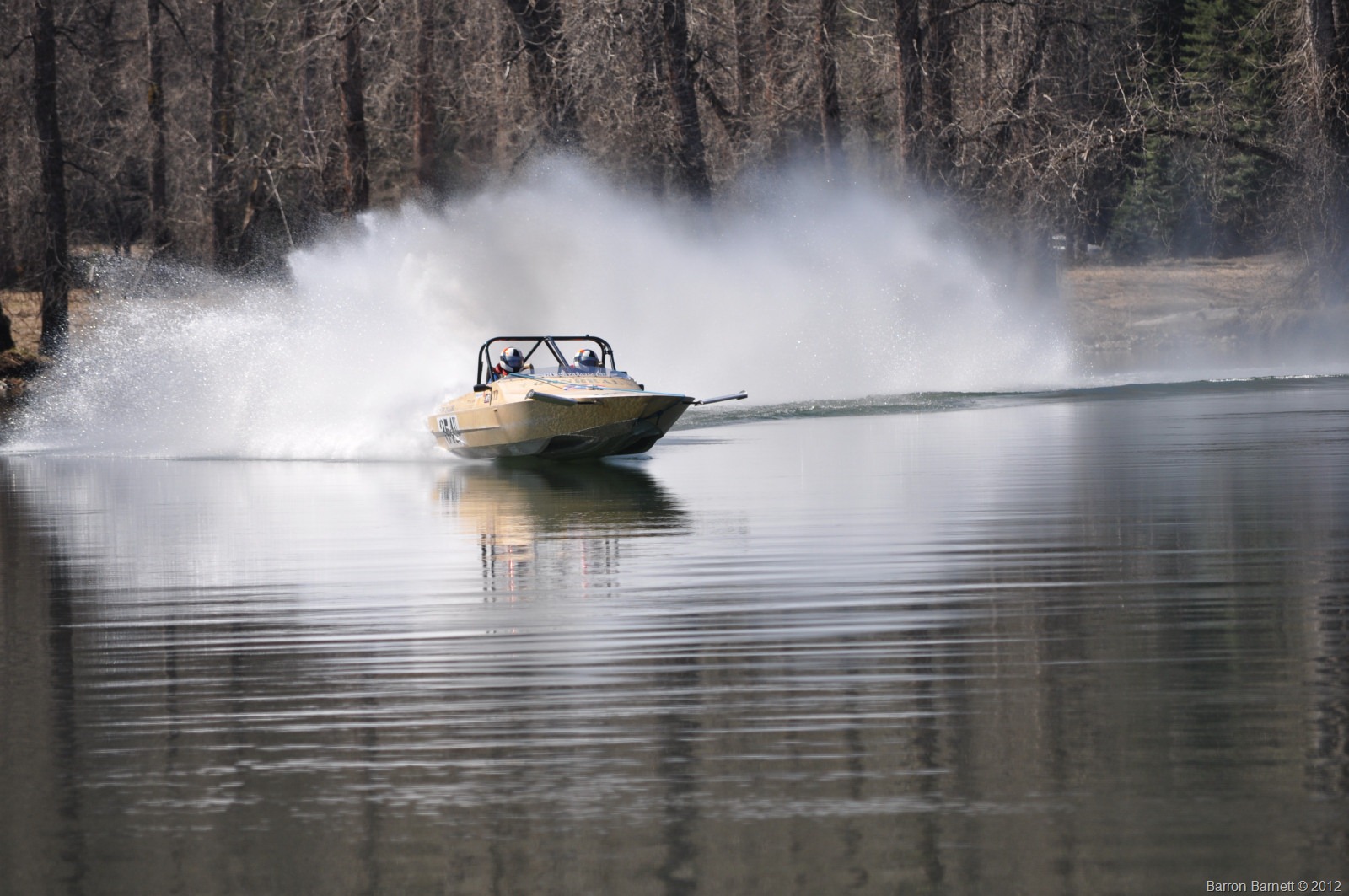
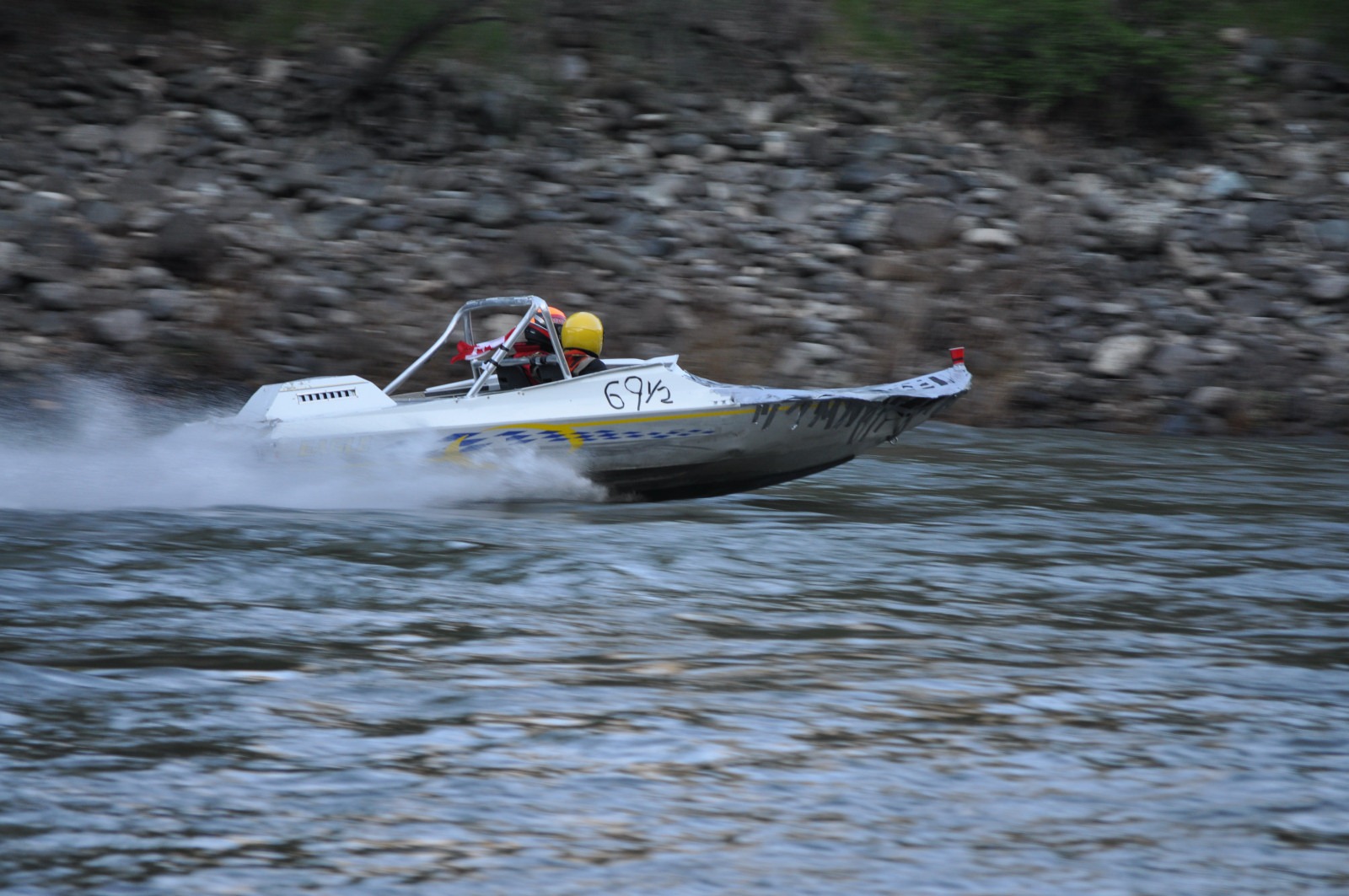
So instead, here’s a couple pictures from the Jet Boat Races…

DSC_1469

The following is a boat that was sunk the day before.  Yes that’s duct tape!

DSC_6213

SSCC #337 – TSA

You would think that given all the previous incidents of child molestation by the TSA would mean they would filter this guy out.

Until 2002, Harkins was a Catholic priest working at churches across
South Jersey. But the Diocese of Camden removed him from ministry
because it found he sexually abused two young girls. Now, in a new
lawsuit, a third woman is claiming she also is one of Harkins’ victims.

Evidently not.

The security checkpoint between Terminals D and E is a busy place where
thousands of people – including lots of kids – pass through every day.
But you might not believe who the I-Team observed working as a TSA
supervisor at that checkpoint this week: Thomas Harkins.

That’s right folks.  He was hired by the TSA and given free reign to molest your little daughters without legal recourse.  Is anyone though not surprised by this?  This to me is expected.

State Sponsored Criminal #337:  Thomas Harkins

molest_kid_thumb

Because when the church kicks you out for molesting little girls, go talk to your Uncle Sam.  After he puts his hands in your pocket you can put your hands in that little girls pocket!

SSCC Honorable Mention – Dallas

Here’s the static link to the video in case embedding didn’t work.

Obviously this guy felt that rules were for everyone else and not him.  Thankfully no one was injured and this is yet another example to add to my anointed class post

Since he didn’t identify as an officer and he’s currently facing charges I’m putting this as an honorable mention.

State Sponsored Criminal Honorable Mention – Hector Roa

Because rules are for everyone else, no one, not even the property owner can keep you out of his bar!

via Bob S.

Quote of the Day -Tam (05/24/2012)

Using abstract targets to pretend you’re shooting anything other
than imaginary bad guys makes you look like dorky hypocrites with
corporate sponsorship jerseys.

Tam Why Fruity Targets? Because racegun!

May 24, 2012


[I find it doubly ironic that the bickering exists considering the P in USPSA and IPSC stands for practical.  More practically odds are you’re going to be shooting a two legged varmint than a flying oddly shaped octogon.  Which oddly enough is labeled the “classic target” while the practical target still used in USPSA is the “metric” target.

Does it really matter the shape of the target, not really though it does make for much more interesting problems with how you can cover the targets.  Having a separate A zone leaves a choice to the shooter for solving the problem.  He can try and hit the bigger A zone while risking clipping the no-shoot, or he can aim for the smaller A zone and just risk getting a B hit instead.

As I’m learning while creating new stages, the fun part about medium and long strings of fire is creating a stage which provides numerous trade offs and different paths to solve the problem.  Doing that is difficult, but it’s what makes a course fun to shoot.  Pulling those targets to me pulls something I can use to add extra trade offs for the shooter.

Yes the upper AB zone happens to resemble a head, with the lower zones being a body but this is practical shooting, not bullseye.  I understand Caleb’s concern and it’s reasonable.  We all want to grow the sport and different targets make some feel better.  But let’s not kid ourselves, even the hovering octogon is a bad guy, it’s shape doesn’t really matter when you’re running a stage to resemble a house.  Doubly so when the stage description leads off with:

You have just arrived on the scene of a call about a home invasion robbery.  The door is closed and you cannot see through the windows.  Starting position is hand on the door knob…

Do you need to create a scene for a stage.  No, but it can also be really fun, especially if there’s a prop involved.  Why do I care about the briefcase and getting it to the end of the course of fire?  The answer, nuclear launch codes!  Why do I have this pizza box?  The answer, you’re delivering a pizza in Detriot a post apocalyptic waste land, delivery failure means they get it for free.  If I spend time designing a stage and coming up with a solid course of fire and spend time making sure someone’s not going to drive a tank through it, I’m going to spend some extra time polishing it!

It’s fun and this is a game, but it does seem very silly and hypocritical to throw “metric” targets out consider in the end it’s still the same thing mentally but with a differently shaped target.  I need to post my 30 minutes or less stage.  About everyone who saw it at the end said, I want to shoot that! -B]